The Creatine Journal

Comparison · 5 min read

Taurine vs caffeine vs L-theanine: what each one really does

By the editorial team Updated 22 sources
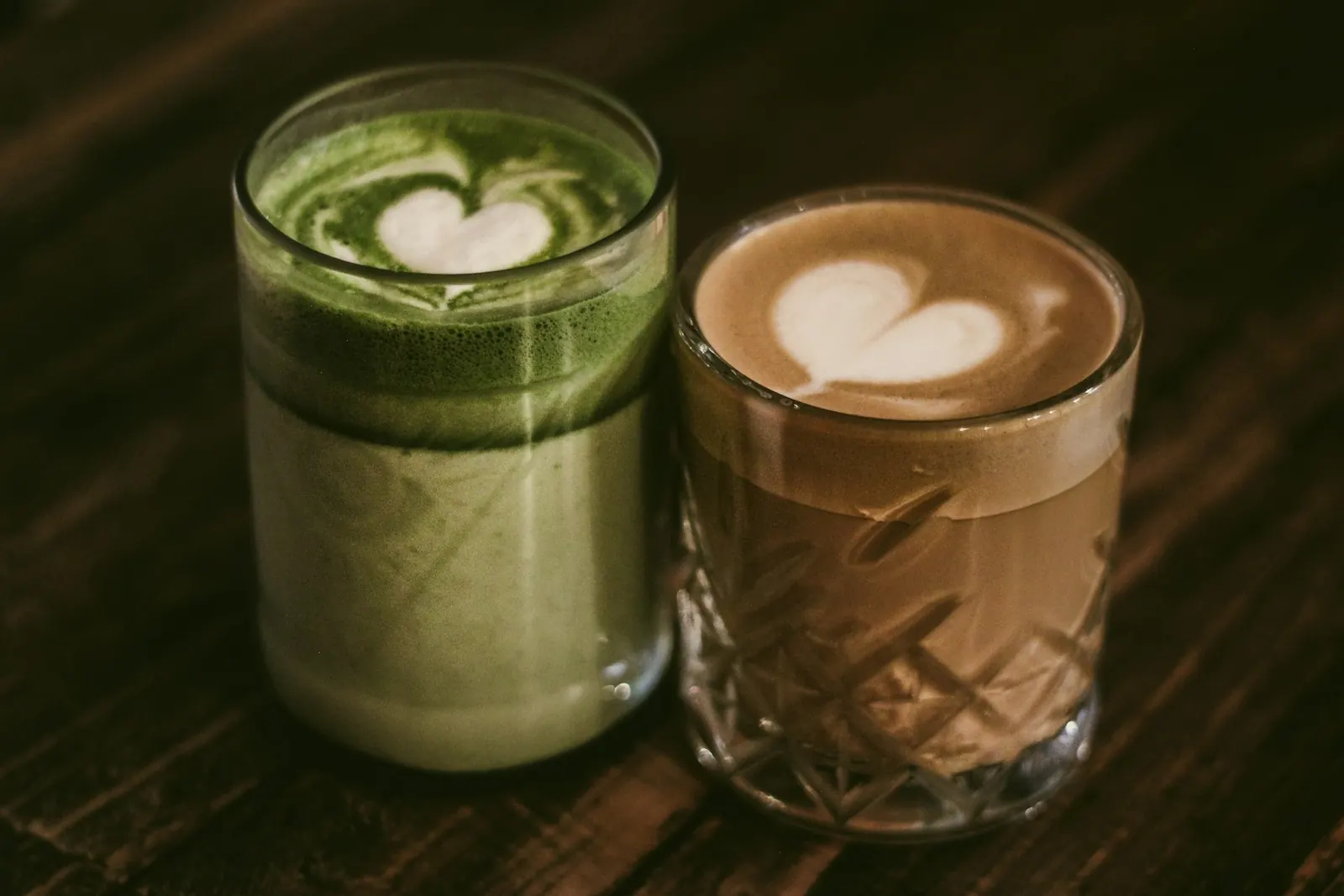
A matcha latte and a coffee latte side by side on a wooden table.
Photo: Nastia Petruk / Unsplash

Short answer

Caffeine is the only one of the three that clearly makes you more alert and focused, and you pay for it in sleep. L-theanine alone doesn't wake you up, but with caffeine it adds a small boost in focus for an hour or two, and on its own it may help a little with stress and sleep. Taurine isn't a stimulant: in the one study that tested it alone, it didn't make people more alert and even dulled caffeine's buzz.

Key takeaways

  • Caffeine reliably helps alertness, attention and reaction time, from about 40 to 300 mg. Healthy adults are advised to stay under 400 mg a day and 200 mg at a time.125
  • L-theanine plus caffeine gives a small extra lift in focus, mostly in the first 2 hours, and the caffeine dose matters more than the theanine dose.91012
  • L-theanine alone may help a little with how well people felt they slept and how stressed they felt, in small studies.1415
  • Taurine isn't a stimulant, and its anti-aging story comes from animals. In people, blood taurine didn't drop with age.161819
In this article
  1. Three ingredients, three very different jobs
  2. Caffeine: it works, and it sends the bill later
  3. L-theanine: the calm one, better as a sidekick
  4. Taurine: not a stimulant, whatever the can suggests
  5. The taurine anti-aging headline, two years later
  6. So which one, for what?
  7. What we don’t know yet

Three ingredients, three very different jobs

Walk down any “energy” aisle and you’ll see the same three names, often on the same can. They don’t do the same thing. One is a real stimulant, one is a calming amino acid from tea, and one is an amino acid with an excellent publicist.

Here’s the side-by-side we wish someone had handed us before our third coffee.

CaffeineL-theanineTaurine
What it isA stimulant that blocks your body's "time to sleep" signal5An amino acid found in tea12An amino acid your body makes; food with meat adds up to about 400 mg a day3
Amounts studied40-400 mg5697-250 mg at once; 200 mg a day for 4 weeks8142,000 mg at once; 1.5 g a day for 16 weeks1621
Good forAlertness, attention, reaction timeStress and sleep (small effects); focus when paired with caffeineNothing shown for energy or focus
Downsides seenLost sleep, jitters, higher blood pressure1611Slower mental math at 250 mg alone, in one study8Slower on one reaction test; dulled caffeine's lift16
Wakes you up?YesNot on its ownNo

Caffeine: it works, and it sends the bill later

No surprise: caffeine is the only one of the three that clearly wakes your brain up. From about 40 mg (a 12-oz cup of green tea has 37 mg) up to about 300 mg, it helps alertness, attention and reaction time.15

The limits for healthy adults: up to 400 mg a day, about two to three 12-oz cups of coffee, and no more than 200 mg at once. In pregnancy, up to 200 mg a day.124 But a 12-oz coffee can hold anywhere from 113 to 247 mg,1 so “two coffees” depends a lot on the café.

The catch is the night. In one study, 400 mg taken six hours before bed cut more than an hour of sleep, and people didn’t notice it in their sleep diaries.6

And a fact that made us rethink our afternoon habits: in a 1980 study, the body took about 6 hours to clear half its caffeine in women not on the pill, and nearly 11 hours in women on it.7 Those were older, stronger pills, so take it as a nudge, not a rule. In one clinic survey, women who drank caffeine were also a little more bothered by hot flashes.22

Hours to clear half your caffeine

From a 1980 study in women

Not on the pillabout 6 hours
On the pillnearly 11 hours

Source7

L-theanine: the calm one, better as a sidekick

L-theanine is the reason tea feels different from coffee, or so the theory goes. On its own, it did not make people more alert. At 250 mg, it even slowed mental math a little in one study.8

With caffeine, it’s a different story. Across 11 small studies, caffeine plus L-theanine helped people feel more alert and switch attention between tasks, mostly in the first hour or two.12

Two catches: the results followed the caffeine dose more than the theanine dose,12 and some of the best-known studies came from researchers at a tea company.910

Does it “take the edge off” coffee? Partly. In a study of 48 people, L-theanine softened caffeine’s rise in blood pressure, but it didn’t reduce the jitters.11 Calmer arteries, same fidgeting.

Alone, L-theanine looks most interesting for stress and sleep. In a small lab study, it softened people’s heart-rate jump during a stressful math task,13 which is about as “relaxed” as a lab can measure. A 2025 review of 19 studies found people felt they slept better and fell asleep faster.15

In a 4-week study of mostly women (average age 48), 200 mg a day improved sleep and stress scores (two of its authors worked for a theanine maker).14 Promising, but small, and nobody knows the right dose yet.15
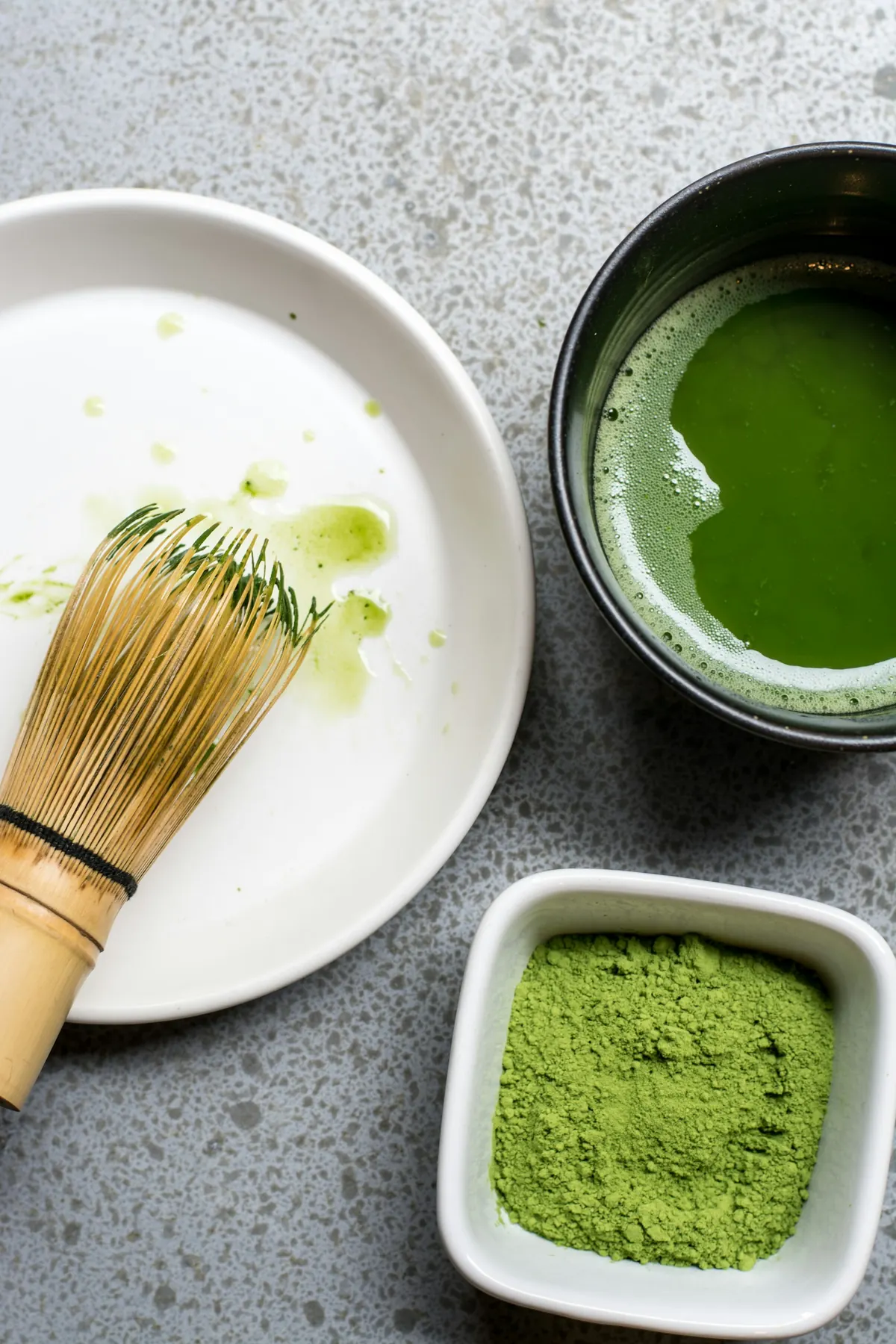
Matcha powder, a bamboo whisk and a bowl of green tea seen from above.
Green tea brings a little caffeine and a little L-theanine in one cup.Photo: Alice Pasqual / Unsplash

Taurine: not a stimulant, whatever the can suggests

Most people assume taurine is part of the energy-drink buzz. The one study that tested it alone says otherwise. Forty-eight regular coffee drinkers, 30 of them women, got caffeine, taurine, both, or neither. Caffeine sped up reactions and made people feel more energetic. Taurine (2,000 mg) slowed one reaction-time test and cancelled part of caffeine’s energy boost.16 The researchers concluded that caffeine, “not taurine or glucose,” drives the mental effects of energy drinks.16

If anything, taurine may be the part of the energy drink that's quietly turning the buzz down.

On safety, Europe’s food-safety agency found taurine at energy-drink levels “not of safety concern,” by a wide margin. It blamed reported energy-drink harms on high caffeine, not taurine.3 One gap: most animal research on taurine and caffeine was done in males.17

The taurine anti-aging headline, two years later

In 2023, a paper in Science made headlines: taurine drops sharply with age, and mice given taurine from middle age lived 10-12% longer, with bigger effects in females. Middle-aged female monkeys also had better bone density and blood sugar after six months.18 (The mouse dose, 1,000 mg per kg of body weight a day, doesn’t translate neatly into anything a person would take.)

Then, in 2025, a US National Institute on Aging team published its own Science paper on three groups of people. Blood taurine stayed the same or even rose with age.19

A separate study of 137 men aged 20 to 93 found no link between taurine and age, strength or muscle function.20 And the one supplement study we found in women (24 women aged 55 to 70, 1.5 g a day for 16 weeks) measured blood antioxidant markers, not energy or aging.21

So taurine as an anti-aging supplement for women is, for now, a mouse story with a human question mark. (To be fair to the mice, that’s how a lot of good science starts.)

So which one, for what?

  • You need to be alert now: caffeine works. Keep it within the limits, and early enough to protect your sleep.
  • Coffee makes you edgy: L-theanine may sharpen focus a little and soften the blood-pressure bump, but not the jitters.
  • You want help winding down: L-theanine alone has a few small studies for sleep and stress.
  • You want energy from taurine: the studies don’t back it.

What we don’t know yet

  • Results for women: almost none of the alertness studies report results for women separately.
  • The right L-theanine dose for sleep or stress, and the best mix with caffeine.1215
  • Taurine and healthy aging in people: no study has tested it.1819
  • Caffeine and today’s birth control pills: the data are from 1980.7

Questions women ask

Is L-theanine better than caffeine for focus?

No. On its own, L-theanine didn't make people more alert, and at 250 mg it slightly slowed one mental-math task. Caffeine reliably helps alertness and reaction time, and L-theanine adds a small extra boost when you take them together.

Does taurine give you energy? Is it a stimulant?

There's no sign that it does. In one study, 2,000 mg of taurine alone didn't make people more alert, slowed one reaction-time test and cancelled caffeine's boost in feeling energetic. The researchers concluded that the mental kick of energy drinks comes from caffeine, not taurine.

Should I take L-theanine with my coffee, and how much?

Studies paired about 40 to 150 mg of caffeine with about 97 to 250 mg of L-theanine and found small gains in attention and alertness for 1 to 2 hours. The effect followed the caffeine dose more than the theanine dose. L-theanine softened caffeine's bump in blood pressure, but it didn't calm the jitters.

Is taurine safe?

Europe's food-safety agency looked at taurine at energy-drink levels (about 500 mg a day on average, 1,400 mg for heavy users) and found no safety concern. It blamed the reported problems with energy drinks on high caffeine, not taurine.

Can L-theanine help me sleep?

Maybe a little. A 2025 review of 19 studies found small to moderate improvements in how well people felt they slept, how fast they fell asleep and how they got through the next day. In a 4-week study of mostly women (average age 48), 200 mg a day improved sleep scores. Nobody knows the best dose yet.

How much caffeine is safe for women, including in pregnancy or on the pill?

For healthy adults, up to 400 mg a day and up to 200 mg at a time. In pregnancy, up to 200 mg a day. In a 1980 study, caffeine stayed in the body much longer in women on the pill (it took about 11 hours to clear half of it, versus about 6), and even 100 mg close to bedtime can affect sleep in some adults.

Sources

  1. US Food and Drug Administration. Spilling the beans: how much caffeine is too much? Updated August 28, 2024. www.fda.gov/consumers/consumer-updates/spilling-beans-how-mu
  2. European Food Safety Authority. Caffeine (summary of the 2015 Scientific Opinion on the safety of caffeine). www.efsa.europa.eu/en/topics/topic/caffeine
  3. EFSA ANS Panel. The use of taurine and D-glucurono-γ-lactone as constituents of the so-called 'energy' drinks. EFSA J. 2009;7(2):935. doi.org/10.2903/j.efsa.2009.935
  4. American College of Obstetricians and Gynecologists. Committee Opinion No. 462: Moderate caffeine consumption during pregnancy. Obstet Gynecol. 2010;116(2 Pt 1):467–468. pubmed.ncbi.nlm.nih.gov/20664420/
  5. McLellan TM et al. A review of caffeine's effects on cognitive, physical and occupational performance. Neurosci Biobehav Rev. 2016;71:294–312. pubmed.ncbi.nlm.nih.gov/27612937/
  6. Drake C et al. Caffeine effects on sleep taken 0, 3, or 6 hours before going to bed. J Clin Sleep Med. 2013;9(11):1195–200. pmc.ncbi.nlm.nih.gov/articles/PMC3805807/
  7. Patwardhan RV et al. Impaired elimination of caffeine by oral contraceptive steroids. J Lab Clin Med. 1980;95(4):603–8. pubmed.ncbi.nlm.nih.gov/7359014/
  8. Haskell CF et al. The effects of L-theanine, caffeine and their combination on cognition and mood. Biol Psychol. 2008;77(2):113–22. pubmed.ncbi.nlm.nih.gov/18006208/
  9. Owen GN et al. The combined effects of L-theanine and caffeine on cognitive performance and mood. Nutr Neurosci. 2008;11(4):193–8. (Authors from a tea company's research division.) pubmed.ncbi.nlm.nih.gov/18681988/
  10. Giesbrecht T et al. The combination of L-theanine and caffeine improves cognitive performance and increases subjective alertness. Nutr Neurosci. 2010;13(6):283–90. (Authors from a tea company's research division.) pubmed.ncbi.nlm.nih.gov/21040626/
  11. Rogers PJ et al. Time for tea: mood, blood pressure and cognitive performance effects of caffeine and theanine administered alone and together. Psychopharmacology. 2008;195(4):569–77. pubmed.ncbi.nlm.nih.gov/17891480/
  12. Camfield DA et al. Acute effects of tea constituents L-theanine, caffeine, and epigallocatechin gallate on cognitive function and mood: a systematic review and meta-analysis. Nutr Rev. 2014;72(8):507–22. pubmed.ncbi.nlm.nih.gov/24946991/
  13. Kimura K et al. L-Theanine reduces psychological and physiological stress responses. Biol Psychol. 2007;74(1):39–45. pubmed.ncbi.nlm.nih.gov/16930802/
  14. Hidese S et al. Effects of L-theanine administration on stress-related symptoms and cognitive functions in healthy adults: a randomized controlled trial. Nutrients. 2019;11(10):2362. (Two authors from a theanine manufacturer.) pmc.ncbi.nlm.nih.gov/articles/PMC6836118/
  15. Bulman A et al. The effects of L-theanine consumption on sleep outcomes: a systematic review and meta-analysis. Sleep Med Rev. 2025;81:102076. pubmed.ncbi.nlm.nih.gov/40056718/
  16. Giles GE et al. Differential cognitive effects of energy drink ingredients: caffeine, taurine, and glucose. Pharmacol Biochem Behav. 2012;102(4):569–77. pubmed.ncbi.nlm.nih.gov/22819803/
  17. Curran CP, Marczinski CA. Taurine, caffeine, and energy drinks: reviewing the risks to the adolescent brain. Birth Defects Res. 2017;109(20):1640–1648. pmc.ncbi.nlm.nih.gov/articles/PMC5737830/
  18. Singh P et al. Taurine deficiency as a driver of aging. Science. 2023;380(6649):eabn9257. pmc.ncbi.nlm.nih.gov/articles/PMC10630957/
  19. Fernandez ME et al. Is taurine an aging biomarker? Science. 2025;388(6751):eadl2116. pubmed.ncbi.nlm.nih.gov/40472098/
  20. Marcangeli V et al. Experimental evidence against taurine deficiency as a driver of aging in humans. Aging Cell. 2025;24(10):e70191. pmc.ncbi.nlm.nih.gov/articles/PMC12507425/
  21. Abud GF et al. Taurine as a possible antiaging therapy: a controlled clinical trial on taurine antioxidant activity in women ages 55 to 70. Nutrition. 2022;101:111706. pubmed.ncbi.nlm.nih.gov/35700594/
  22. Faubion SS et al. Caffeine and menopausal symptoms: what is the association? Menopause. 2015;22(2):155–8. pubmed.ncbi.nlm.nih.gov/25051286/

Read next